
How to Plan Meals Using Pantry Staples for Stress-Free Cooking
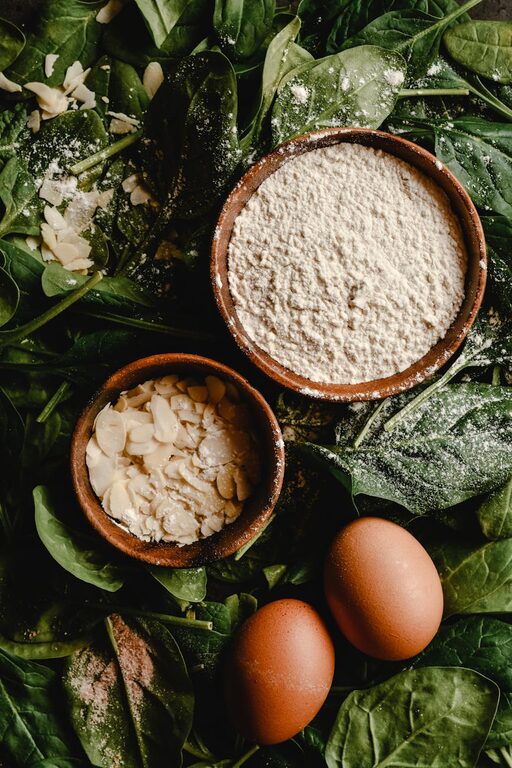
Planning meals from pantry staples can transform your cooking experience, making it less stressful, more affordable, and surprisingly creative. Whether your pantry is stocked with cans, grains, spices, or dry goods, knowing how to leverage these staples allows you to whip up wholesome meals anytime, even when fridge supplies run low.
In this guide, we’ll explore practical steps to plan meals from pantry basics, creative recipe ideas, and tips on keeping your pantry well-stocked and organized for seamless cooking. Let’s dive in!
Why Plan Meals from Pantry Staples?
Using pantry staples for meal planning helps:
– Save time: No last-minute grocery store trips needed.
– Reduce food waste: Use what you already have before it expires.
– Cut costs: Pantry staples are usually economical and have a long shelf life.
– Enhance creativity: Experiment with flavors and ingredients you might not try otherwise.
Step 1: Take Inventory of Your Pantry
Before you can plan meals, you need to know what’s available.
– Sort and categorize items (canned goods, grains, legumes, spices, baking supplies).
– Check expiration dates and prioritize items that should be used soon.
– Note quantities to estimate how much you have.
Keeping a list or a pantry app can make this process easier.
Step 2: Identify Staple Ingredients
Most pantries have a core set of staples. Common pantry staples include:
– Grains: rice, pasta, quinoa, oats
– Legumes: canned beans, lentils, chickpeas
– Canned goods: tomatoes, vegetables, soups
– Baking essentials: flour, sugar, baking powder
– Oils and vinegars: olive oil, vegetable oil, balsamic vinegar
– Spices and herbs: salt, pepper, garlic powder, paprika, dried herbs
Understanding these basic building blocks helps in combining ingredients effectively.
Step 3: Find Complementary Fresh Ingredients
While the pantry is great for long-term storage, adding a few fresh ingredients can elevate meals tremendously. Common fresh additions to keep on hand include:
– Onions
– Garlic
– Potatoes
– Carrots
– Fresh herbs (parsley, cilantro, basil)
– Eggs
– Milk or plant-based alternatives
You don’t need everything fresh—just a few versatile items that pair well with pantry staples.
Step 4: Plan Balanced Meals
A simple way to ensure meals are balanced and satisfying is to think in terms of three main components:
- **Protein:** canned beans, lentils, chickpeas, or pantry canned meats/tuna.
- **Carbohydrates:** pasta, rice, potatoes, or bread from pantry staples.
- **Vegetables:** canned tomatoes, frozen vegetables, or fresh produce.
For example:
– Lentil stew with canned tomatoes and onions, served with rice.
– Chickpea curry using coconut milk (canned) and spices, paired with quinoa.
Step 5: Use Recipe Templates and Simple Cooking Methods
If you feel stuck, try these basic meal templates—you can swap ingredients according to what’s in your pantry.
One-Pot Meals
Combine grains, beans or lentils, canned vegetables, and spices in a single pot to make soups or stews with minimal cleanup.
Pasta Dishes
Toss cooked pasta with canned tomatoes, garlic, olive oil, herbs, and any veggies or canned beans for easy pasta sauces.
Stir-Fries
Use rice or noodles with canned or fresh vegetables and a simple sauce of soy sauce, oil, and spices.
Salads and Bowls
Make grain bowls combining rice or quinoa with canned beans, fresh veggies, and a simple vinaigrette.
Baked Dishes
Try casseroles or baked pasta dishes using pantry staples like pasta, canned tomatoes, cheese (if available), and seasonings.
Step 6: Keep a Running List of Meal Ideas
Having a collection of go-to recipes helps speed up meal planning. Here are some ideas you can try using pantry items:
– Spaghetti with garlic and olive oil, topped with chili flakes
– Chickpea and spinach curry with canned tomatoes
– Tuna salad with canned tuna, beans, and onion
– Lentil soup with carrots and herbs
– Rice and bean burritos with canned black beans and salsa
– Vegetable stir-fry with rice and soy sauce
– Oatmeal breakfast topped with canned fruit or nuts
Step 7: Organize Your Pantry for Easy Access
A well-organized pantry inspires creativity and speeds up cooking:
– Store frequently used items upfront.
– Group similar items together.
– Use clear jars or labels for easy identification.
– Keep a small whiteboard or notepad nearby to jot down items you run out of.
Bonus Tips for Stocking a Functional Pantry
– Buy basics in bulk for savings and refilling.
– Rotate your stock regularly to avoid expired items.
– Stock versatile ingredients that can be used in multiple dishes.
– Consider keepsakes like canned coconut milk, tomato paste, frozen veggies, and dried herbs for added flavor.
Conclusion
Planning meals from pantry staples is a practical, budget-friendly approach to home cooking that reduces stress and food waste. By taking inventory, combining pantry items creatively with fresh ingredients, and relying on simple recipes, you can enjoy satisfying meals anytime.
Next time you open your pantry, try to think beyond just “what’s here” and imagine “what could be.” With a bit of planning and confidence, your pantry staples can fuel delicious, nourishing meals day after day.
Happy cooking!